What are dental implants?
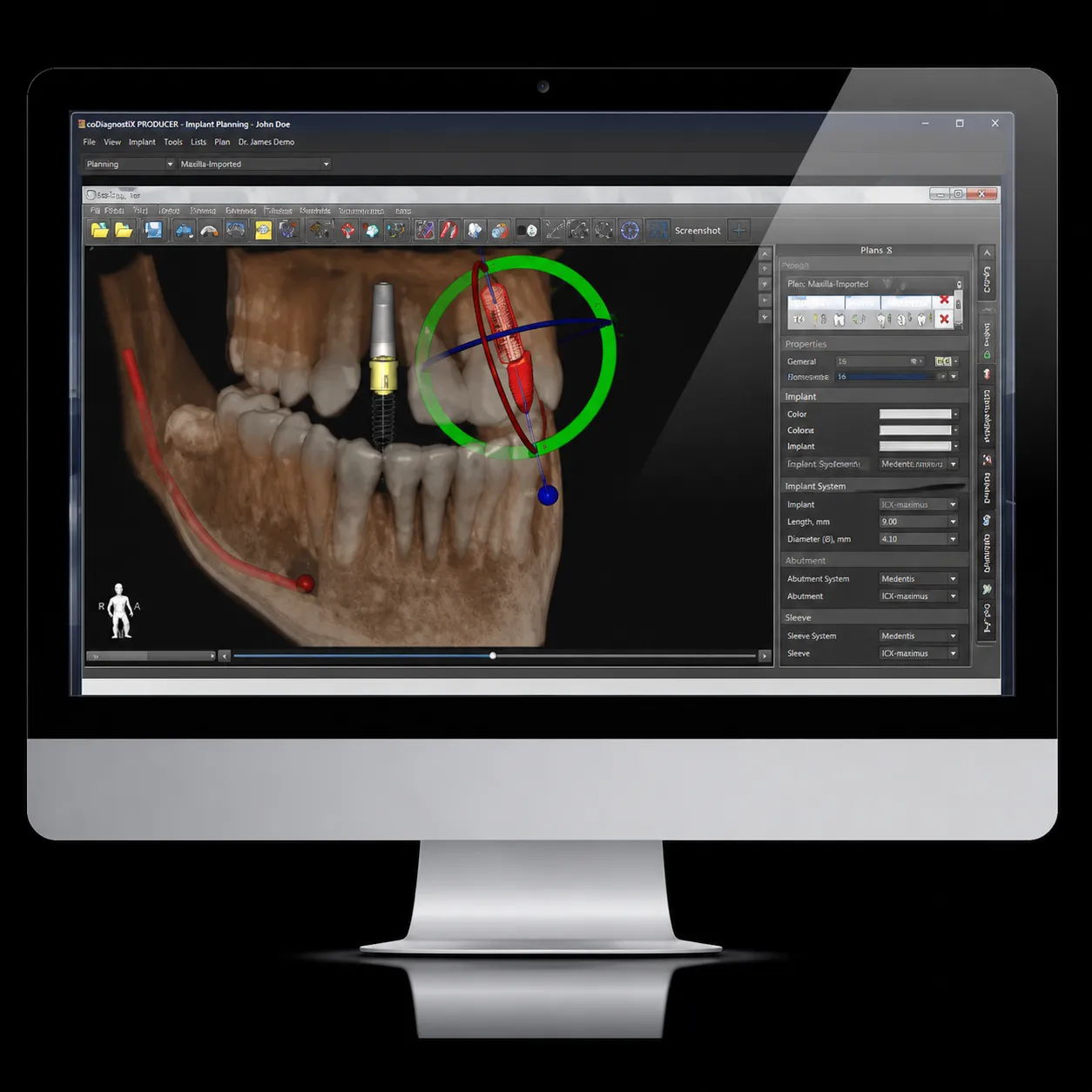
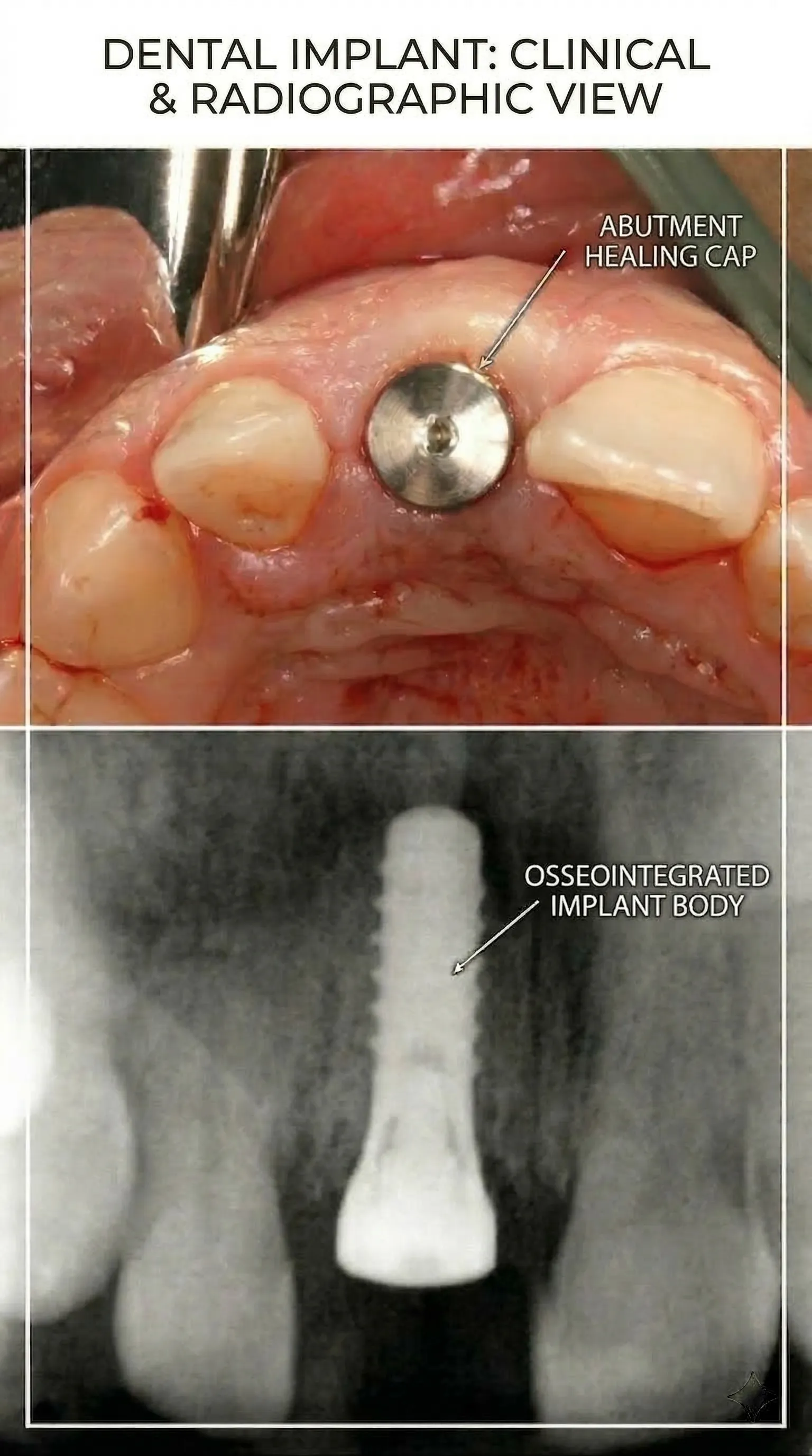
Dental implants were first used in Sweden in the mid-1960s. They have a screw-like shape and act as substitutes for the root of a tooth.
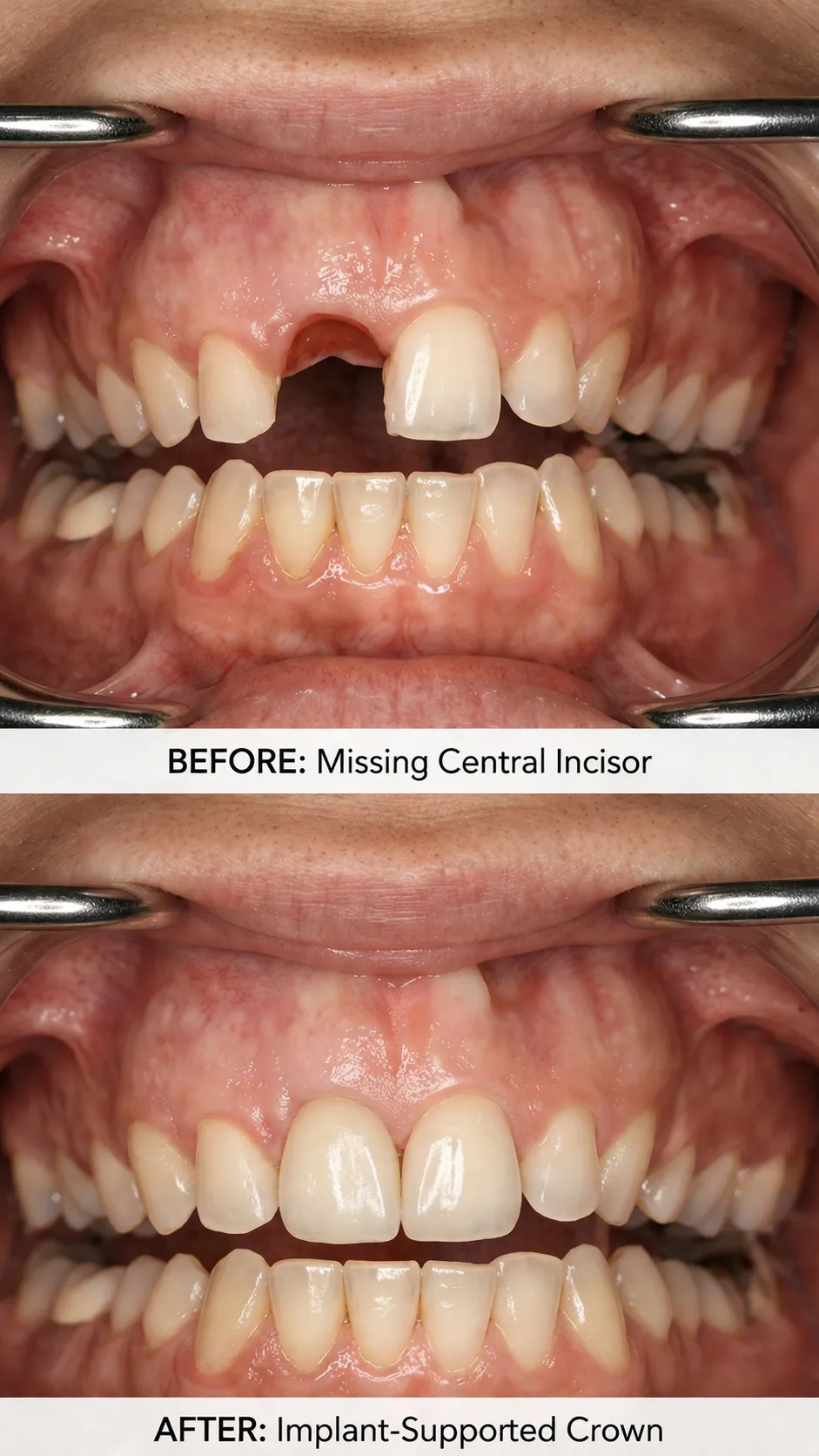
A prosthetic restoration, such as a crown or bridge, is supported on the implant. This restores both the appearance and the function of the missing tooth.
Implants are made of titanium. Titanium has been used for many years in Orthopaedics and is a biocompatible material, meaning that the body does not reject it as a foreign object.
Implant placement step by step
1. Implant placement
The implants are placed in the jawbone by the periodontist under local anaesthesia. The procedure is painless and, immediately afterwards, the patient can usually return to normal daily activities.
2. Integration period
After surgery, the implants are left to integrate with the bone. This period lasts about 8 weeks, depending on the case and the quality of the bone.
3. Placement of the prosthetic restoration
When the bone is ready to receive chewing forces, the final prosthetic restoration is placed on the implant by the patient’s dentist.
4. Regular follow-up
The patient should visit the periodontist once a year, so that the health of the tissues around the implants and the stability of the result can be checked.
Advantages of dental implants
Aesthetic restoration
Implants look like natural teeth and can provide a highly natural aesthetic result.
Conservative treatment
Healthy neighbouring teeth do not need to be prepared in order to place bridges. This helps preserve the natural teeth.
High success rate
It is a proven treatment that has been used for decades. In our clinic, the success rate reaches 99%, one of the highest rates internationally.
Functional restoration
The patient can speak and eat comfortably. Implants feel like natural teeth and provide stability during chewing.
Disadvantages and limitations of dental implants
Treatment duration
The total treatment time is longer than in traditional dentistry because time is needed for the implant to integrate with the bone.
Treatment cost
Due to the technology, materials and surgical procedure required, the cost of implants is higher compared with other treatment options.
Patient selection
People with poor oral hygiene or serious health problems may not be suitable candidates for implants. There must also be enough bone in the area of the jaw where the implant will be placed.
Smoking
Smokers have lower success rates with this method. For this reason, smoking is taken seriously into account during treatment planning.